





The Functional Beverage Revolution: Is Packaging Ready for What’s Next?

The beverage industry is entering a new era. Consumers are no longer choosing drinks only for refreshment, taste or convenience. Increasingly, they are looking for beverages that can do more: support hydration, energy, gut health, immunity, focus, recovery or simply fit into a more mindful lifestyle.
This shift is turning functional beverages from a niche category into one of the defining trends of the global drinks industry. In fact, SIAL Paris, one of the biggest international food festivals having worldwide gathering of agribusiness and beverage brands, has identified functional and mindful beverages as a major force shaping beverage innovation in 2026. From electrolyte drinks and fortified juices to kombucha, kefir, adaptogen-infused beverages and functional dairy alternatives, the category is expanding rapidly.
But there is an important question behind this revolution: Is packaging ready for what’s next?
When the beverage itself becomes a promise
A functional beverage is fundamentally different from a conventional drink. It does not simply promise taste or refreshment; it communicates a specific benefit.
Consumers may pick an electrolyte beverage for hydration, a probiotic drink for digestive wellness, a protein beverage for nutrition, or an adaptogen-infused drink for stress management and focus. This makes formulation, ingredient integrity and product positioning critical.
It also makes packaging more important than ever.
The pack is often the first physical interaction consumers have with a functional product. It needs to communicate the product’s purpose clearly while protecting the beverage throughout its journey — from production and transportation to the moment it is consumed.
For brands entering this space, packaging therefore needs to preserve, protect and promote the value created inside the pack.
From protection to preservation
Many emerging functional beverages contain ingredients that require careful handling. Vitamins, proteins, botanical extracts, probiotics and other active ingredients can be sensitive to environmental conditions and may require appropriate protection from oxygen, light and contamination.
This is where aseptic liquid packaging can play an important role.
Aseptic packaging is designed to maintain product safety and freshness while enabling beverages to be packaged under sterile conditions. For suitable products, it can help brands deliver longer shelf life without relying on conventional refrigeration throughout the distribution chain.
For functional beverage manufacturers looking to scale beyond local markets, this can be particularly relevant.
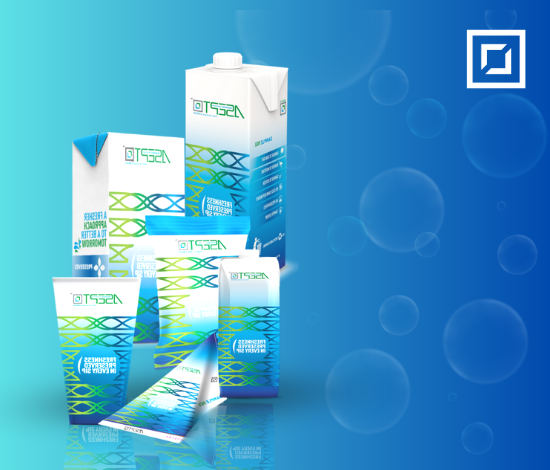
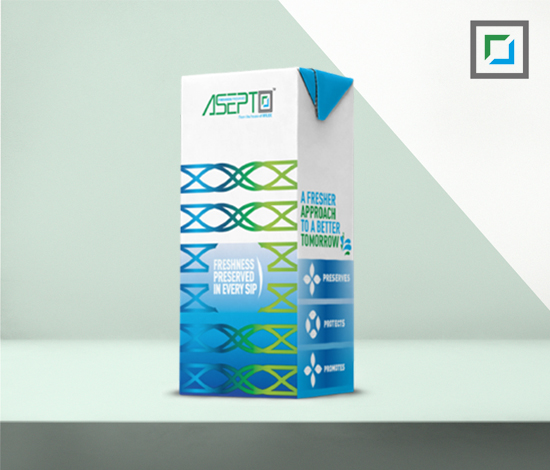
Asepto’s six-layer aseptic carton packaging is designed around the principles of Preserve, Protect and Promote, providing multiple layers of protection for beverages while creating a high-impact surface for branding and communication.
Convenience is becoming part of functionality
The next generation of functional beverages will not only be about what a drink does. It will also be about when, where and how consumers drink it.
Functional hydration for commuters. Protein beverages for busy professionals. Fortified dairy and plant-based drinks for breakfast. Energy or focus beverages for work. Recovery drinks after exercise. Smaller portion packs for children and families.
This creates demand for packaging formats that can accommodate different consumption occasions.
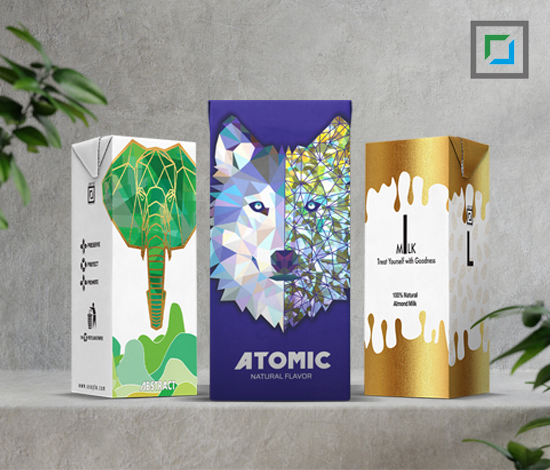
For beverage brands, on-the-go packaging, portion packs and family-sized formats can provide the flexibility needed to serve multiple consumer needs. Asepto offers a range of pack shapes and dimensions designed for both on-the-go and in-home consumption, helping brands combine convenience with differentiated brand presentation.
In other words, packaging is increasingly becoming part of the product experience.
The sustainability equation
There is another challenge facing functional beverage brands: consumers want better-for-you products that are also better aligned with environmental expectations.
A beverage cannot build a credible wellness proposition while ignoring the wider sustainability conversation.
SIAL’s 2026 beverage outlook highlights the growing importance of sustainable packaging alongside functional formulations, clean-label products and changing consumption habits.
This puts pressure on packaging manufacturers to innovate across multiple dimensions simultaneously, material efficiency, recyclability, responsible sourcing, logistics, shelf life and waste reduction.
For aseptic packaging, extended shelf life can also contribute to reducing food and beverage wastage, while efficient pack formats can support storage and transportation optimisation. The result is a broader definition of packaging sustainability: not simply the material used, but the entire lifecycle and supply chain impact of the pack.
Packaging must also earn consumer trust
As functional claims become more prominent, transparency will become increasingly important.
SIAL has highlighted the risk of “functional washing”, situations where products communicate health-oriented benefits without sufficient evidence or without consumers having a clear understanding of the overall nutritional profile.
Packaging has a role to play here.
Clear ingredient information, responsible claims, nutritional details, traceability features and intuitive communication can help consumers make informed choices. Technologies such as QR codes can further connect the physical pack with digital information, giving brands opportunities to provide product details, sourcing information, usage guidance and authenticity-related information.
The future pack will therefore need to communicate more than a brand name and flavour. It may become a gateway to the complete story behind the beverage.
Designing for the next beverage revolution
Functional beverages are also challenging traditional boundaries between categories. A drink can simultaneously belong to wellness, sports nutrition, dairy, plant-based nutrition, supplements or even premium lifestyle beverages.
That means packaging needs to be equally adaptable.
Brands will increasingly look for flexible beverage packaging solutions that allow them to experiment with formats, sizes, graphics and positioning while maintaining product safety and consistency.
For packaging partners, this means moving beyond simply supplying cartons or packaging material. The opportunity lies in becoming an innovation partner, supporting brands from formulation and format considerations to filling, design, production and market expansion.
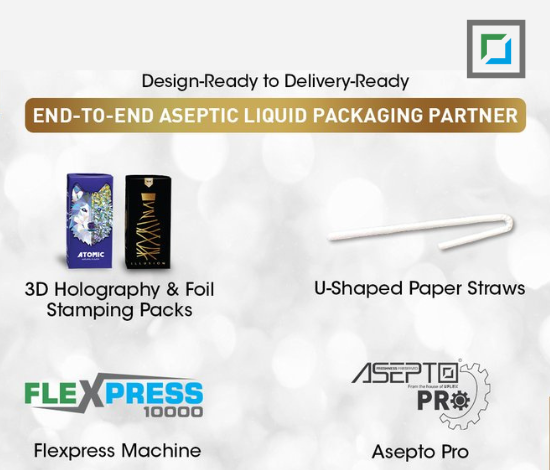
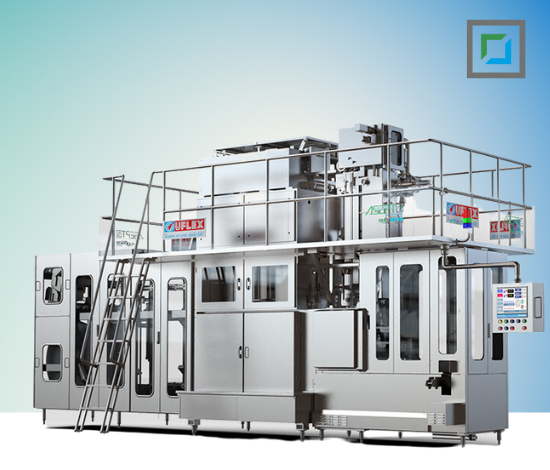
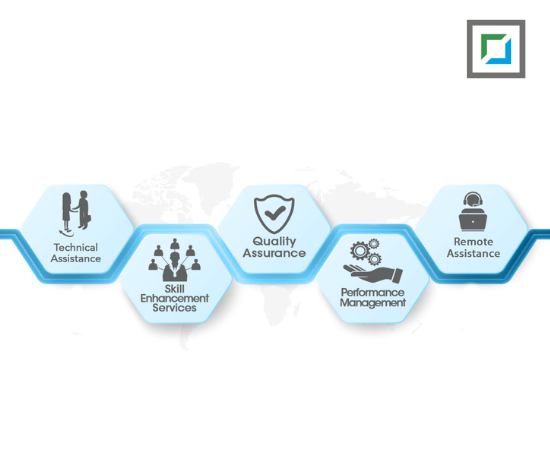
Asepto’s broader ecosystem of aseptic cartons, filling machines, technical assistance and design capabilities reflects this evolution towards end-to-end aseptic liquid packaging solutions.
The next sip needs the right pack
The functional beverage revolution is still unfolding. What began with sports drinks and vitamin waters has expanded into a much broader universe of gut health beverages, electrolyte drinks, fermented beverages, protein drinks, plant-based alternatives, adaptogen beverages and other wellness-led innovations.
SIAL Paris 2026 is putting this transformation firmly on the global food and beverage agenda.
The opportunity for beverage brands is significant. But creating the next successful functional beverage will require more than an innovative formulation. It will require packaging that can preserve the product’s value, protect its quality, communicate its proposition, support convenience and respond to sustainability expectations.
Because when beverages are being designed to do more, packaging has to do more too.
As the global beverage industry converges at SIAL Paris 2026, the real question may not be whether functional beverages are ready for the future.
It is whether packaging is ready to take them there.
Recent Blogs
-
The Functional Beverage Revolution: Is Packaging Ready for What’s Next?
-
 Celebrations Without Borders: How Packaging Brings the World’s Festive Flavours Together
-
 The New Consumer Code: How Changing Lifestyles Are Reshaping Packaging Needs
-
 From Egypt to the World: Powering Global Supply with Local Strength
-
 Europe–MENA Supply Bridge: Redefining Aseptic Packaging with Asepto’s Egypt Plant
-
 European Plant-Based Dairy: Aseptic Packaging, A Perfect Fit Powered by Asepto Egypt
-
 Global Trends Are Built on Convenience. Packaging Makes Them Possible
-
 Raising a Toast to Innovation: The Rise of Aseptic Packaging in Europe’s Wine Industry
-
 One World, Multiple Formats: Packaging Designed for Every Market
-
 Beyond Beverages: Aseptic Packaging Powers the Next Wave of Health & Nutrition
-
 Asepto: Your End-to-End Partner in Aseptic Liquid Packaging
-
 Asepto’s Ain Sokhna Manufacturing Plant: Serving Europe, MENA & Africa from One Hub
-
 Asepto’s Ain Sokhna Plant: Redefining Aseptic Packaging Leadership Across MENA, Africa & LATAM
-
 Asepto Registered with Fibre Circle: Strengthening Sustainable Aseptic Liquid Packaging in Africa
-
 Inside the Egypt Plant: Setting New Global Standards in Packaging
-
 Asepto: Celebrating National Milk Day by Empowering India’s Dairy Ecosystem
-
 From Efficiency to Excellence – How Asepto Pro Supports European Beverage Operations
-
 European Beverage Trends 2025 – What Brands Need from Packaging
-
 How Asepto Pro Supports High-Performance Packaging Operations
-
 Asepto – At the Heart of Every Indian Celebration
-
 Circular Economy in Packaging: Our Commitment for World Nature Conservation Day
-
 Daily Nutrition, Redefined: The Power of Portion Packs
-
 Asepto Pro: Supporting Growth in Asia’s Dynamic Beverage Market
-
 Navigating Regulatory Changes with Asepto's Recycled Polymer Packaging meeting the New Standards
-
 Embracing Sustainability: Aseptos Innovative Use of Certified Recycled Polymers in Aseptic Packaging
-
 How Asepto Drives Sustainability in Emerging Markets
-
 Packaging Innovations: Meeting Africa’s Growing Packaging Demands
-
 Asepto Pro: Technical Support for High-Performance Machines in Middle East & North Africa
-
 Asepto: Your ‘Certified’ Aseptic Liquid Packaging Partner
-
 Asepto's Expansion Plan: A Game-Changer for Global Aseptic Liquid Packaging
-
 Smart Packaging Solutions: Asepto's Tech Impact on Southeast Asian Markets
-
 Asepto's Journey in Southeast Asia: Adapting Packaging for Diverse Palates
-
 Riding the Wave: Asepto's Role in Sustainable Packaging for Asia
-
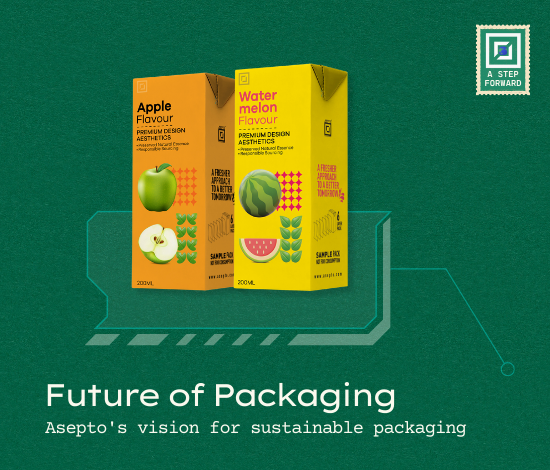 Future of Packaging: Asepto's vision for sustainable packaging
-
 Revive, Regenerate, Recycle: Asepto’s Greener Tomorrow
-
 Circular Economy: Asepto's Role in Sustainability
-
 Revamping Your Brand Image: Guide to New Packaging Design
-
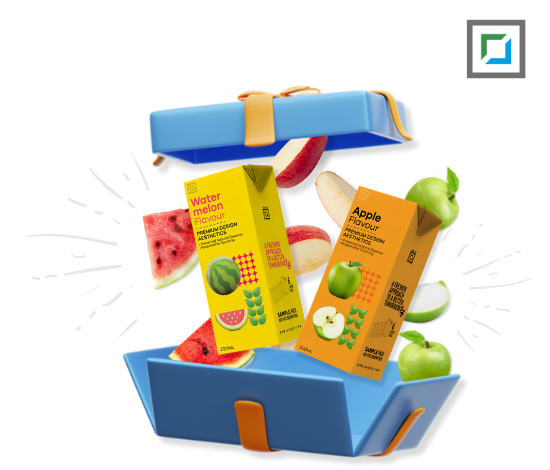 Unboxing Success: Asepto's Journey of New Beginnings
-
 Network, Insights and Customers: Benefits of Attending Aseptic Liquid Packaging Exhibitions
-
 Asepto's Packaging Solutions: Ensuring Food Safety, Consumer Health, and Well-being
-
 Beyond Beverages: Aseptic Cartons in Different Industries
-
 The Touch of Finesse: Elevating Aseptic Liquid Packaging and Outshining the Competition
-
 Beverage Packaging and Importance of Being Market Responsive
-
 Leading the Future with Safe & Sustainable Packaging
-
 India and Egypt: The Tale of Two Oldest Civilizations
-
 Importance of End-to-End Solutions in Packaging Industry
-
 Gulfood Manufacturing & Asepto: Tale of two stalwarts
-
 Importance of being market-ready in beverage industry
-
 Filling Machines: The Essence of Aseptic Liquid Packaging
-
 Importance of continuity in the Beverage Industry
-
 Importance of Innovation: Recreating the Aseptic Liquid Packaging Ecosystem
-
 Aseptic packages for dairy & beverage products
-
 Portion Packs: The Market Drivers
-
 Aseptic Packaging: A sustainable solution to food wastage