





Circular Economy in Packaging: Our Commitment for World Nature Conservation Day

We all celebrate World Nature Conservation Day as a powerful reminder of our responsibilities to preserve and protect the planet. It is our duty to preserve natural resources for future generations. In an age where climate change, pollution, and resource depletion dominate global discourse, sustainability is no longer just an ideal—it’s an urgent necessity. At Asepto, India’s first and only home-grown aseptic liquid packaging brand, we believe that sustainability must move beyond pledges and press releases. It must translate into tangible action. And that’s exactly what we’re doing.
As a proud member of the UFlex Group, Asepto is committed to reshaping the future of packaging by embracing the principles of the circular economy—a system designed to eliminate waste and regenerate natural resources. In contrast to the traditional linear economy of “take-make-dispose,” the circular economy emphasizes reduce, reuse, recycle, and most importantly, reimagine.
Walking the Talk on Circular Economy
At Asepto, sustainability isn’t an afterthought—it’s embedded in our DNA. From product design to material sourcing, manufacturing to end-of-life recovery, every stage of our packaging lifecycle is aligned with circularity.
While many players in the packaging industry are still grappling with how to transition to circular models, Asepto has already taken bold and pioneering steps. Our state-of-the-art technologies and closed-loop systems prove that sustainable innovation isn’t just possible—it’s scalable.
Enzymatic Delamination Technology (EDT): A Game-Changer
One of our most revolutionary strides towards circularity is the introduction of EDT—Enzymatic Delamination Technology. This breakthrough process has redefined the recycling possibilities of aseptic liquid cartons, which traditionally present a challenge due to their multi-layered composition of paperboard, plastic, and aluminium.
EDT is a clean, green technology that uses bio-enzymes to delaminate the layers of the aseptic cartons without burning fossil fuels or producing toxic by-products. This enables us to recover high-quality paper fibres, polyethene, and aluminium from used cartons and reintroduce them into the manufacturing cycle.
In simple terms, EDT is not just a recycling innovation—it is a restorative process, a critical enabler of a circular packaging economy. It empowers us to close the loop and ensure that what once ended in landfills now finds new life as usable raw materials.
Zero Liquid Discharge & Rainwater Harvesting: Closing the Resource Loop
Circular economy goes beyond just waste recovery—it’s about resource efficiency too. Our manufacturing facility is a Zero Liquid Discharge (ZLD) plant, meaning not a single drop of wastewater leaves our site untreated. Every drop is recycled, reused, or safely evaporated. This allows us to maintain water neutrality in operations—a rare feat in an industry known for its water intensity.
In addition, we’ve invested in rainwater harvesting infrastructure that captures and stores rainwater for use in non-potable processes, further reducing our dependence on groundwater and municipal sources. Together, ZLD and rainwater harvesting exemplify our commitment to circularity in water resource management.
Sustainable Design Thinking: Innovating for Tomorrow
Our journey towards a circular economy is also reflected in our design-first approach. Asepto’s packaging solutions are built on the principles of eco-conscious design, ensuring optimal material usage, lightweight structures, and reduced carbon footprints. For instance, our U-shaped paper straws, introduced in 2022, were a landmark step toward plastic-free alternatives for ready-to-drink (RTD) packs.
We believe that design is not just about aesthetics—it’s a powerful tool to shape sustainable behaviour, reduce material waste, and enable better recyclability.
Collaborative Ecosystems for Maximum Impact
At Asepto, we know that no company can solve the sustainability challenge alone. That’s why we are actively working with industry partners, recyclers, innovators, and regulatory bodies to co-create solutions that enable systemic change. From awareness drives to industry panels, we advocate for circular economy practices and share our learnings widely.
We are also contributing to the growth of the post-consumer recycling (PCR) ecosystem in India by facilitating collection, segregation, and recovery networks that can effectively process aseptic cartons and give them a second life.
A Call to Action: From Conservation to Regeneration
On this World Nature Conservation Day, we reaffirm our commitment not only to conservation—but to regeneration. Our planet needs more than just protection—it needs healing. Thus, packaging, being one of the largest contributors to global waste, must evolve into a force for good.
At Asepto, we don’t just see ourselves as packaging manufacturers—we see ourselves as solution providers, ecosystem enablers, and sustainability stewards. Our commitment to circularity is more than just compliance—it is a moral imperative and a business philosophy.
Through innovations like Enzymatic Delamination Technology, Zero Liquid Discharge Systems, sustainable packaging design, and industry collaboration, we are proving that the packaging industry can—and must—play a central role in creating a waste-free, resource-positive future.
Let’s make every package count. Let’s design for life beyond the shelf. Let’s build a circular world, one carton at a time.
Visit www.asepto.com for more information.
Recent Blogs
-
 The Functional Beverage Revolution: Is Packaging Ready for What’s Next?
-
 Celebrations Without Borders: How Packaging Brings the World’s Festive Flavours Together
-
 The New Consumer Code: How Changing Lifestyles Are Reshaping Packaging Needs
-
 From Egypt to the World: Powering Global Supply with Local Strength
-
 Europe–MENA Supply Bridge: Redefining Aseptic Packaging with Asepto’s Egypt Plant
-
 European Plant-Based Dairy: Aseptic Packaging, A Perfect Fit Powered by Asepto Egypt
-
 Global Trends Are Built on Convenience. Packaging Makes Them Possible
-
 Raising a Toast to Innovation: The Rise of Aseptic Packaging in Europe’s Wine Industry
-
 One World, Multiple Formats: Packaging Designed for Every Market
-
 Beyond Beverages: Aseptic Packaging Powers the Next Wave of Health & Nutrition
-
 Asepto: Your End-to-End Partner in Aseptic Liquid Packaging
-
 Asepto’s Ain Sokhna Manufacturing Plant: Serving Europe, MENA & Africa from One Hub
-
 Asepto’s Ain Sokhna Plant: Redefining Aseptic Packaging Leadership Across MENA, Africa & LATAM
-
 Asepto Registered with Fibre Circle: Strengthening Sustainable Aseptic Liquid Packaging in Africa
-
 Inside the Egypt Plant: Setting New Global Standards in Packaging
-
 Asepto: Celebrating National Milk Day by Empowering India’s Dairy Ecosystem
-
 From Efficiency to Excellence – How Asepto Pro Supports European Beverage Operations
-
 European Beverage Trends 2025 – What Brands Need from Packaging
-
 How Asepto Pro Supports High-Performance Packaging Operations
-
 Asepto – At the Heart of Every Indian Celebration
-
Circular Economy in Packaging: Our Commitment for World Nature Conservation Day
-
 Daily Nutrition, Redefined: The Power of Portion Packs
-
 Asepto Pro: Supporting Growth in Asia’s Dynamic Beverage Market
-
 Navigating Regulatory Changes with Asepto's Recycled Polymer Packaging meeting the New Standards
-
 Embracing Sustainability: Aseptos Innovative Use of Certified Recycled Polymers in Aseptic Packaging
-
 How Asepto Drives Sustainability in Emerging Markets
-
 Packaging Innovations: Meeting Africa’s Growing Packaging Demands
-
 Asepto Pro: Technical Support for High-Performance Machines in Middle East & North Africa
-
 Asepto: Your ‘Certified’ Aseptic Liquid Packaging Partner
-
 Asepto's Expansion Plan: A Game-Changer for Global Aseptic Liquid Packaging
-
 Smart Packaging Solutions: Asepto's Tech Impact on Southeast Asian Markets
-
 Asepto's Journey in Southeast Asia: Adapting Packaging for Diverse Palates
-
 Riding the Wave: Asepto's Role in Sustainable Packaging for Asia
-
 Future of Packaging: Asepto's vision for sustainable packaging
-
 Revive, Regenerate, Recycle: Asepto’s Greener Tomorrow
-
 Circular Economy: Asepto's Role in Sustainability
-
 Revamping Your Brand Image: Guide to New Packaging Design
-
 Unboxing Success: Asepto's Journey of New Beginnings
-
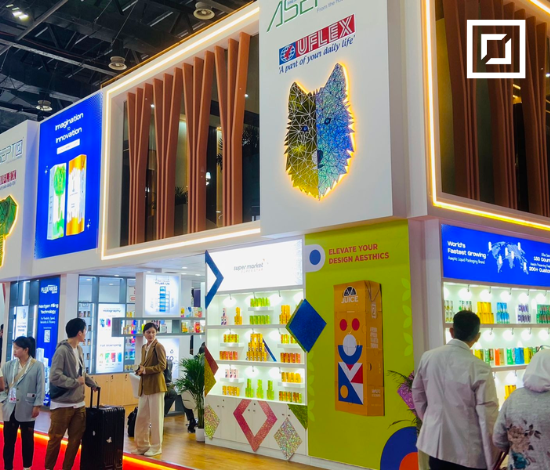 Network, Insights and Customers: Benefits of Attending Aseptic Liquid Packaging Exhibitions
-
 Asepto's Packaging Solutions: Ensuring Food Safety, Consumer Health, and Well-being
-
 Beyond Beverages: Aseptic Cartons in Different Industries
-
 The Touch of Finesse: Elevating Aseptic Liquid Packaging and Outshining the Competition
-
 Beverage Packaging and Importance of Being Market Responsive
-
 Leading the Future with Safe & Sustainable Packaging
-
 India and Egypt: The Tale of Two Oldest Civilizations
-
 Importance of End-to-End Solutions in Packaging Industry
-
 Gulfood Manufacturing & Asepto: Tale of two stalwarts
-
 Importance of being market-ready in beverage industry
-
 Filling Machines: The Essence of Aseptic Liquid Packaging
-
 Importance of continuity in the Beverage Industry
-
 Importance of Innovation: Recreating the Aseptic Liquid Packaging Ecosystem
-
 Aseptic packages for dairy & beverage products
-
 Portion Packs: The Market Drivers
-
 Aseptic Packaging: A sustainable solution to food wastage